
Guide to Everest Base Camp Trek: Itinerary, Cost, Permits, and Practical Tips

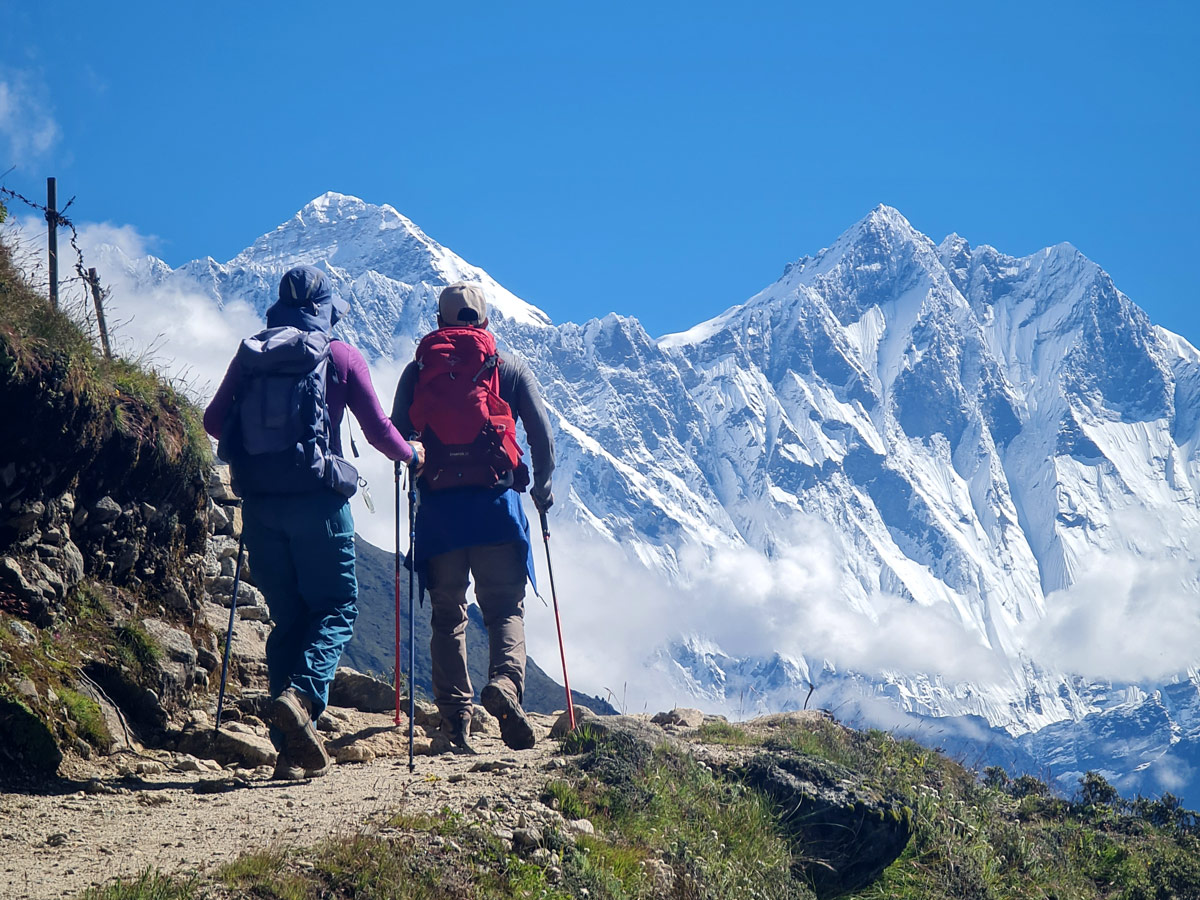
Trekking in Nepal is more than just a physical journey. It is an immersion into mountain landscapes, ancient cultures, and trails that have been used for generations.
From short hill walks to high altitude adventures, Nepal offers some of the world’s most iconic trekking experiences, and the Everest Base Camp trek stands at the heart of them all.
For many trekkers, Everest Base Camp represents a lifelong goal. The idea of walking beneath the world’s highest peaks is exciting, but the planning process can quickly feel overwhelming.
Questions about difficulty, altitude, costs, seasons, and logistics often create uncertainty, especially for those new to trekking in Nepal.
Many people begin their research with enthusiasm but struggle to find clear, practical information they can trust.
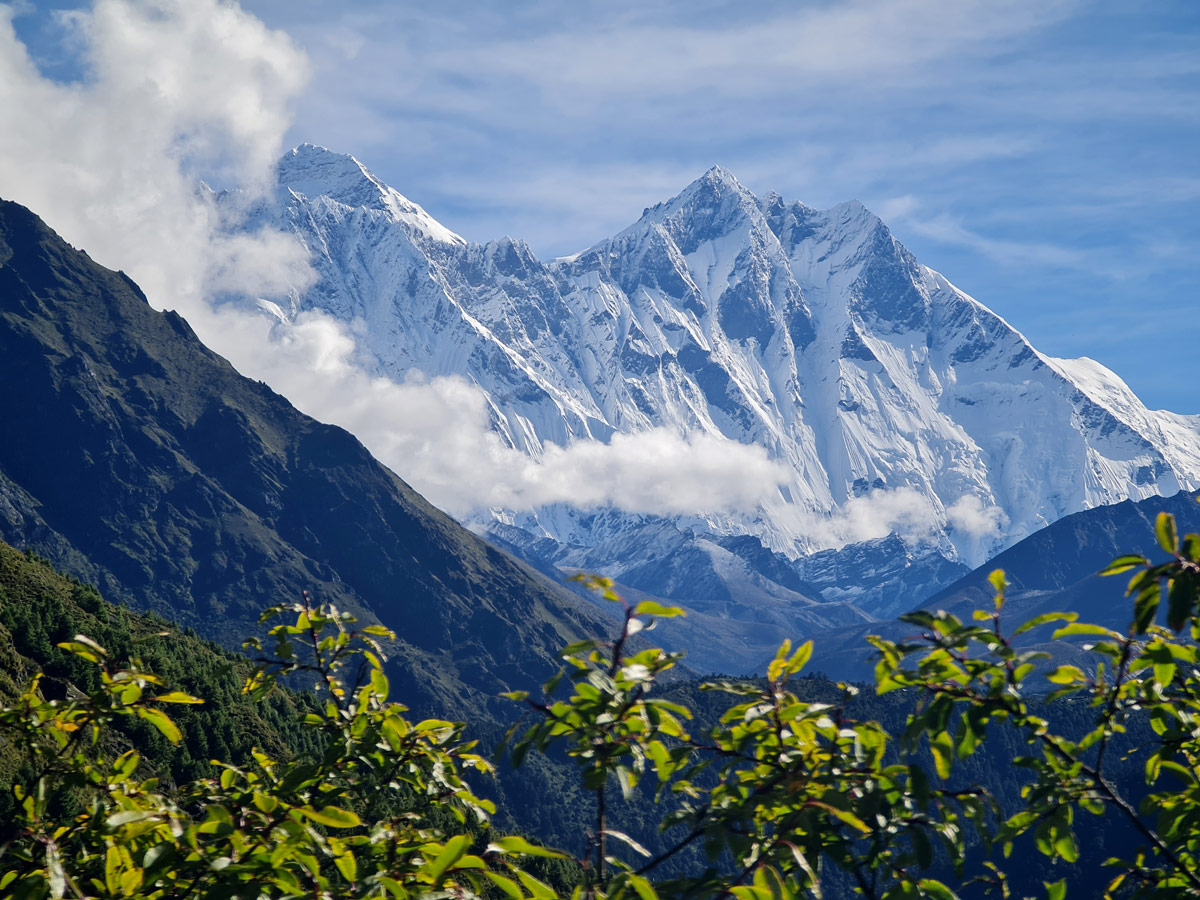
If you are new to the Himalaya, understanding the basics of trekking culture and expectations is essential, especially for those approaching trekking in Nepal for the first time.
Conflicting advice online can make decision making harder instead of easier. This guide is written to remove that confusion and help you prepare with realistic expectations.
In this comprehensive Everest base camp trek guide, you will find clear, experience based insights covering the full journey. It explains how trekking in Nepal works, what to expect on the Everest Base Camp route, and which preparations truly matter on the trail.
By the end of this article, you will understand the route, daily elevations, permits, costs, accommodation, food, health considerations, and alternative ways to reach Everest Base Camp. Most importantly, you will gain the confidence to plan your trek thoughtfully and safely in the Nepal Himalaya.
EBC Trek Start and End Point
The Everest Base Camp trek traditionally starts and ends in Lukla, a small mountain town in the Khumbu region.
- Start Point: Lukla (2,860 meters / 9,383 feet)
- End Point: Lukla (2,860 meters / 9,383 feet)
Most trekkers fly from Kathmandu to Lukla and begin walking immediately after landing. The trail forms a loop that climbs steadily through Namche Bazaar, Tengboche, Dingboche, Lobuche, and Gorak Shep before reaching Everest Base Camp. After visiting base camp, trekkers return along the same route to Lukla.
Although the route retraces its steps, the experience feels different on the descent. Views open up, altitude pressure eases, and walking days become shorter and more relaxed.
Everest Base Camp Trek Itinerary
Below is a standard 14 day Everest Base Camp itinerary designed to allow proper acclimatization while maintaining a steady and realistic pace. Each day combines walking, altitude adjustment, and rest, helping your body adapt gradually to the thinning air.
Rather than rushing to higher elevations, this itinerary focuses on safety, comfort, and overall enjoyment of the journey.
Day 1: Fly from Kathmandu to Lukla and trek to Phakding
Your journey begins with an early morning flight from Kathmandu to Lukla, one of the most dramatic mountain airstrips in the world. After landing, there is little time to linger as the trek starts immediately. The first day is intentionally short and gentle, allowing your body to adjust after travel.
The trail descends gradually through small Sherpa villages, prayer wheels, and pine forests while following the Dudh Koshi River.
Suspension bridges and mani stones introduce you to the culture of the Khumbu region. This day sets the rhythm for the trek without pushing your limits.
- Elevation at Lukla: 2,860 meters (9,383 feet)
- Elevation at Phakding: 2,610 meters (8,563 feet)
- Elevation gain: Minimal, mostly downhill
- Distance: 8 km (5 miles)
Day 2: Phakding to Namche Bazaar
The walk to Namche Bazaar is one of the most physically demanding days of the trek. You follow the river upstream, crossing several suspension bridges, including the famous Hillary Suspension Bridge.
The final section involves a long and steep ascent that tests endurance, especially for first time trekkers. As you climb higher, the air becomes noticeably thinner.
On clear days, the first distant view of Mount Everest appears just before reaching Namche, making the effort worthwhile.
- Elevation at Phakding: 2,610 meters (8,563 feet)
- Elevation at Namche Bazaar: 3,440 meters (11,286 feet)
- Elevation gain: 830 meters (2,723 feet)
- Distance: 11 km (6.8 miles)
Day 3: Acclimatization day in Namche Bazaar
This day is dedicated to helping your body adapt to the altitude. Instead of resting completely, you take short hikes to higher elevations and return to Namche for the night. Popular walks include visits to Everest View Hotel or nearby Sherpa villages like Khumjung.
Namche Bazaar itself offers bakeries, gear shops, museums, and cafés, making it the most comfortable stop on the trek. Proper acclimatization here greatly reduces the risk of altitude sickness later.
- Elevation at Namche Bazaar: 3,440 meters (11,286 feet)
- Elevation gain during hikes: 300 to 400 meters
- Distance: 4 to 6 km (2.5 to 3.7 miles)
Day 4: Namche Bazaar to Tengboche
Leaving Namche, the trail follows a scenic contour with wide views of Everest, Lhotse, and Ama Dablam. After a gradual walk, you descend to the river before climbing again through forests to Tengboche.
The highlight of the day is Tengboche Monastery, the spiritual heart of the Khumbu region. The setting, surrounded by towering peaks, makes this one of the most memorable stops on the trek.
- Elevation at Namche Bazaar: 3,440 meters (11,286 feet)
- Elevation at Tengboche: 3,870 meters (12,664 feet)
- Elevation gain: 430 meters (1,378 feet)
- Distance: 9 km (5.6 miles)
Day 5: Tengboche to Dingboche
The landscape begins to change as forests thin out and alpine terrain takes over. You descend through rhododendron trees before crossing the Imja Khola and climbing steadily toward Dingboche.
Stone walls protect crops from cold winds, and the valley opens up with dramatic mountain backdrops. The higher altitude makes breathing more deliberate, and pacing becomes increasingly important.
- Elevation at Tengboche: 3,870 meters (12,664 feet)
- Elevation at Dingboche: 4,410 meters (14,469 feet)
- Elevation gain: 540 meters (1,771 feet)
- Distance: 10 km (6.2 miles)
Day 6: Acclimatization day in Dingboche
Another acclimatization day allows your body to adjust before moving higher. Short hikes toward Nagarjun Hill or Chhukung Valley provide excellent views while supporting altitude adaptation.
The rest of the day is spent relaxing, hydrating, and monitoring how your body responds. This rest day plays a critical role in preventing altitude related illness.
- Elevation at Dingboche: 4,410 meters (14,469 feet)
- Elevation gain during hikes: 400 to 500 meters
- Distance: 5 to 7 km (3 to 4.3 miles)
Day 7: Dingboche to Lobuche
The trail climbs gradually through open terrain with panoramic mountain views. You pass memorials dedicated to climbers and Sherpas who lost their lives on Everest, creating a reflective atmosphere.
The environment becomes stark and windswept, and walking speed slows due to the altitude. Lobuche is a small settlement with basic facilities.
- Elevation at Dingboche: 4,410 meters (14,469 feet)
- Elevation at Lobuche: 4,940 meters (16,207 feet)
- Elevation gain: 530 meters (1,738 feet)
- Distance: 8 km (5 miles)
Day 8: Lobuche to Gorak Shep and Everest Base Camp
This is one of the most anticipated days of the trek. The trail follows glacial moraines toward Gorak Shep, where you leave your bags before continuing to Everest Base Camp.
Walking on rocky terrain requires focus and patience. Reaching base camp is a powerful moment, surrounded by ice formations and expedition tents during climbing season.
- Elevation at Lobuche: 4,940 meters (16,207 feet)
- Elevation at Gorak Shep: 5,164 meters (16,942 feet)
- Elevation gain: 224 meters (735 feet)
- Distance: 15 km (9.3 miles)
Day 9: Kala Patthar hike and descend to Pheriche
Before sunrise, you climb Kala Patthar for the best close up view of Mount Everest. The ascent is steep but rewarding.
Afterward, you descend past Gorak Shep and continue down to Pheriche. Dropping in elevation brings noticeable relief in breathing and energy levels.
- Elevation at Kala Patthar: 5,545 meters (18,192 feet)
- Elevation at Pheriche: 4,371 meters (14,340 feet)
- Distance: 13 km (8 miles)
Day 10: Pheriche to Namche Bazaar
The trail retraces familiar paths through Pangboche and Tengboche. Descending feels easier on the lungs but can be harder on the knees.
Forests reappear, and temperatures feel warmer as you return to Namche Bazaar.
- Elevation at Pheriche: 4,371 meters (14,340 feet)
- Elevation at Namche Bazaar: 3,440 meters (11,286 feet)
- Distance: 14 km (8.7 miles)
Day 11: Namche Bazaar to Lukla
The final walking day is long but rewarding. You descend steeply to the river and make the final climb back to Lukla.
Many trekkers celebrate the completion of the journey here, reflecting on the physical and mental achievement.
- Elevation at Namche Bazaar: 3,440 meters (11,286 feet)
- Elevation at Lukla: 2,860 meters (9,383 feet)
- Distance: 19 km (11.8 miles)
Day 12 to 14: Fly back to Kathmandu with buffer days
Extra days are kept as a safety buffer in case of flight delays from Lukla, which are common due to weather conditions.
Things You Will See on the EBC Trail
The Everest Base Camp trek is not just about reaching a destination. The journey itself is filled with iconic landmarks, cultural sites, and ever changing landscapes that define the Khumbu region.
- Lukla Airport: One of the world’s most dramatic mountain airstrips, Lukla marks the true beginning of the trek and sets the tone for the adventure ahead.
- Phakding Village: A quiet riverside settlement surrounded by pine forests, offering the first glimpse into Sherpa village life.
- Suspension Bridges: Long, swaying bridges draped with prayer flags cross deep gorges and rushing rivers, creating some of the most memorable moments on the trail.
- Namche Bazaar: The largest town in the region, known for its amphitheater layout, mountain views, bakeries, and lively trekking atmosphere.
- Everest Viewpoint: A popular acclimatization hike location offering one of the first clear views of Mount Everest along with Lhotse and Ama Dablam.
- Tengboche Monastery: The spiritual heart of the Khumbu region, set against a dramatic backdrop of snow covered peaks.
- Pangboche Village: One of the oldest Sherpa settlements in the area, rich in culture and traditional stone houses.
- Dingboche Valley: An open alpine landscape with stone walled fields and wide views of surrounding mountains.
- Memorials at Thukla Pass: Stone monuments honoring climbers and Sherpas who lost their lives on Everest, offering a moment of reflection.
- Lobuche Settlement: A small high altitude village surrounded by barren terrain and towering peaks.
- Khumbu Glacier: A massive and constantly shifting glacier that you walk alongside on the way to Everest Base Camp.
- Everest Base Camp: A historic site used by climbing expeditions, set among ice formations and glacial debris.
- Kala Patthar: The best viewpoint on the trek for close up views of Mount Everest, especially at sunrise.
Best Time to Trek Everest Base Camp
Choosing the right season for the Everest Base Camp trek directly affects weather comfort, trail conditions, visibility, and overall experience.
A broader seasonal comparison across Nepal’s trekking regions can also help put Everest conditions into perspective when understanding the best time for trekking in Nepal .
Each season offers distinct advantages and challenges, and understanding these differences helps you plan realistically.
Spring Season (March to May)
Spring is one of the most popular times to trek to Everest Base Camp. Daytime temperatures at lower elevations range from 10°C to 15°C (50°F to 59°F), while higher elevations remain cooler at around -5°C to 5°C (23°F to 41°F).
Weather conditions are generally stable with clear mornings, though clouds may build in the afternoons. Rhododendron forests bloom at lower altitudes, adding color to the trail.
What makes spring a great time for Everest Base Camp:
- Stable weather and longer daylight hours
- Active Everest climbing season atmosphere
- Blooming landscapes at lower elevations
Autumn Season (September to November)
Autumn is widely considered the best season for the Everest Base Camp trek. Daytime temperatures range from 8°C to 12°C (46°F to 54°F) at mid elevations, dropping to -10°C to -5°C (14°F to 23°F) at higher camps.
The monsoon clears the air, resulting in crisp visibility and dry trail conditions. Weather is cool, clear, and predictable.
Why autumn is ideal for Everest Base Camp trekking:
- Best mountain visibility of the year
- Dry trails and stable conditions
- Comfortable temperatures for long walking days
Winter Season (December to February)
Winter brings cold but quieter trekking conditions. Daytime temperatures often stay between -5°C and 5°C (23°F to 41°F), while nights can drop below -15°C (5°F) at higher elevations.
Snowfall is possible, especially above Dingboche, and some lodges may close. Skies are often clear, but weather can be harsh.
Reasons to consider trekking Everest Base Camp in winter:
- Fewer crowds and peaceful trails
- Clear skies after snowfalls
- Ideal for experienced trekkers seeking solitude
Monsoon Season (June to August)
The monsoon season brings frequent rain at lower elevations and heavy cloud cover. Temperatures range from 12°C to 18°C (54°F to 64°F) during the day, with warm and humid conditions below Namche.
Higher elevations receive less rain but limited visibility. Trails can be muddy, and flights to Lukla are more prone to delays.
Who should consider trekking Everest Base Camp during monsoon:
- Lush green landscapes at lower altitudes
- Very few trekkers on the trail
- Suitable for those prioritizing solitude over views
How to Get to the Trail Head
Lukla Flight from Kathmandu
Most trekkers fly from Kathmandu to Lukla. The flight takes about 35 minutes and offers stunning mountain views. Weather conditions frequently affect schedules.
Flight Diversion from Manthali
During peak seasons, flights often operate from Manthali Airport in Ramechhap instead of Kathmandu. This requires a 4 to 5 hour drive from Kathmandu early in the morning.
Understanding this logistics shift is important for planning buffer days.
Flight Delays, Weather Uncertainty, and Realistic Expectations
Flying in and out of Lukla is one of the most unpredictable aspects of the Everest Base Camp trek. Weather conditions in the mountains change rapidly, and even during peak seasons like October, delays and cancellations are common.
For example, in October 2025, unexpected early snowfall led to multiple days of flight and trail disruptions, leaving trekkers stranded in Kathmandu, Manthali, or Lukla.
Mental preparation is just as important as physical fitness. Accepting that delays are part of the journey helps reduce frustration and stress. Flexibility in mindset allows you to respond calmly to changing plans rather than feeling pressured to rush the trek.
Adequate packing also plays a role in managing unexpected situations. Carry essential items such as extra snacks, medications, power banks, and warm layers in your hand luggage, as checked bags may be delayed during flight disruptions.
Including buffer days in your itinerary is strongly recommended. Adding at least two to three extra days at the end of your trek allows room for weather related delays without affecting international travel plans.
An emergency fund is equally important. Unexpected costs such as additional accommodation, food, helicopter options, or rebooking flights can add up quickly. Having accessible extra funds ensures that safety decisions are never compromised due to budget constraints.
Travel Insurance for Everest Base Camp Trek
Comprehensive travel insurance is essential for trekking to Everest Base Camp and should never be overlooked. The remote nature of the region means that medical care and evacuation services can be expensive and difficult to arrange without proper coverage.
Your travel insurance policy should explicitly cover high altitude trekking, ideally up to at least 5,500 meters, which includes Kala Patthar. It should also include emergency helicopter evacuation, medical treatment, trip interruption, and trip cancellation due to weather related delays.
Flight cancellations, extended stays in Lukla or Kathmandu, and unexpected changes to your itinerary are common on this trek. Insurance that covers accommodation, food, and rebooking costs during delays provides valuable financial protection.
Before starting the trek, carry both digital and printed copies of your insurance policy and emergency contact details. Ensure your guide or trekking partner knows how to access this information in case of an emergency
Trail Conditions and Difficulty
The Everest Base Camp trek follows a well established trail, but conditions change noticeably as you move higher into the Khumbu region.
From Lukla to Namche Bazaar, the path consists mostly of packed dirt trails, stone steps, and suspension bridges that pass through forests and villages. This section can feel busy and energetic, with frequent ups and downs along the river valleys.
Beyond Namche, the trail becomes more open and exposed. Between Namche and Dingboche, you walk on a mix of dirt paths and rocky sections with gradual ascents and descents.
The environment feels more alpine, and weather can change quickly. From Dingboche onward, especially between Lobuche, Gorak Shep, and Everest Base Camp, the terrain turns rougher. Trails here are dominated by rocky moraines, loose gravel, and glacial debris, requiring careful footing and slower movement.
Although the route is non technical and does not require climbing skills, the combination of altitude, distance, and terrain makes the trek physically demanding.
Key Challenges
Long walking days: Most trekking days involve 5 to 7 hours of walking, with some days extending longer. Consistent movement at altitude can be tiring, especially for those not used to multi day hikes.
Steep ascents and descents: Sections such as the climb to Namche Bazaar and the descent back to the Dudh Koshi River place strain on legs and knees. Trekking poles can help manage the impact.
High altitude: Above 4,000 meters, oxygen levels drop significantly. Even simple walking can feel exhausting, and pacing becomes essential to avoid altitude sickness.
Cold temperatures and wind: Higher elevations are exposed to cold winds, particularly in the mornings and evenings. Weather conditions can increase fatigue and discomfort if not properly prepared.
How to Prepare for the Everest Base Camp Trek
Proper preparation greatly increases your chances of enjoying the Everest Base Camp trek safely and comfortably. Preparing both physically and mentally helps your body cope with long walking days, altitude, and changing mountain conditions.
Build cardiovascular endurance: Focus on activities such as hiking, stair climbing, cycling, or running for several weeks before the trek. Strong cardio fitness helps manage long days of steady walking at altitude.
Train your legs and core: Strengthening your legs, knees, and core improves stability on steep ascents, descents, and uneven terrain. Squats, lunges, step ups, and balance exercises are especially useful.
Practice walking with a backpack: Training with a loaded daypack helps your body adjust to carrying weight for multiple days. This reduces shoulder fatigue and improves posture on the trail.
Prepare mentally for altitude and discomfort: Altitude slows everyone down. Accepting a slower pace, cold mornings, and basic facilities helps reduce frustration and improves overall experience.
Plan logistics and documents early: Booking flights, arranging permits, confirming insurance, and allowing buffer days reduces last minute stress and ensures smoother travel to and from the mountains.
Book with a trusted local operator if not trekking solo confidently: If you are not confident trekking independently, choosing a reliable local trekking operator adds safety, logistical support, and local expertise. Experienced guides help with pacing, acclimatization decisions, accommodation arrangements, and emergency response, allowing you to focus on the trekking experience rather than problem solving on the trail.
Solo vs Guided Everest Base Camp Trek
Choosing between a solo trek and a guided trek is an important planning decision. Both options are possible on the Everest Base Camp route, and the right choice depends on experience, confidence, and comfort level.
Solo trekking: Trekking independently offers flexibility and a strong sense of personal achievement. You can move at your own pace and adjust plans freely, but you are fully responsible for navigation, health decisions, and logistics at high altitude.
Guided trekking: Trekking with a guide provides added safety, local knowledge, and support. Guides help manage acclimatization, handle logistics, and assist in emergencies, making this option especially suitable for first-time trekkers or those unfamiliar with high altitude trekking.
In short, solo trekking suits confident and experienced hikers, while guided treks offer reassurance, structure, and safety for those who prefer support in the mountains.
Everest Base Camp Trekking Permits
To trek to Everest Base Camp, trekkers are required to carry multiple permits that are checked at various points along the route.
To trek to Everest Base Camp, trekkers are required to carry multiple permits that are checked at various points along the route. Permit rules can vary by region, so understanding trekking permits in Nepal more generally helps avoid confusion during planning.
- Khumbu Pasang Lhamu Rural Municipality Permit: This local permit is mandatory for all trekkers entering the Khumbu region and is usually obtained in Lukla or Monjo.
- Sagarmatha National Park Entry Permit: Required to enter Sagarmatha National Park, this permit helps support conservation efforts and is checked near Monjo.
- TIMS Card (Trekkers’ Information Management System): The TIMS card is used to record trekker details for safety and management purposes. While checks on the Everest route are less frequent than in other regions, it is still recommended to carry a TIMS card, especially when trekking with an agency or guide.
These permits are checked at multiple points along the trail and should be kept accessible during the trek.
Food and Water on Your Everest Base Camp Trek
Proper nutrition and hydration play a major role in how you feel and perform on the Everest Base Camp trek. Teahouses along the route provide a consistent menu designed to fuel trekkers at altitude, though food options become simpler as you climb higher.
Food Options
Breakfast: Most mornings begin with warm, carbohydrate rich meals such as porridge, Tibetan bread, chapati, pancakes, eggs, or muesli. Hot drinks like tea, coffee, or lemon ginger honey are commonly served and help with warmth in the early hours.
Lunch: Lunch is usually taken at a teahouse along the trail and includes items like fried rice, noodles, pasta, momos, soups, and occasionally sandwiches. Meals are filling but simple, allowing trekkers to continue walking without feeling heavy.
Dinner: Dinner is typically the largest meal of the day. Dal bhat is the most popular option, offering rice, lentils, vegetables, and sometimes potatoes. Other common choices include pasta, rice dishes, soups, and vegetable curries. Dal bhat is often recommended because it is freshly cooked and provides sustained energy.
Beverages: Hot drinks are widely available and include black tea, milk tea, ginger tea, lemon tea, coffee, and hot chocolate. Soft drinks and beer are available in lower villages but are best avoided at higher altitudes due to dehydration risks.
Food prices increase steadily as you gain elevation because all supplies are carried by porters or yaks.
Water Availability
Bottled water is available at teahouses throughout the trail, but the cost rises significantly at higher elevations. While convenient, bottled water also contributes to plastic waste in the region.
Boiled water is widely offered at teahouses and is a more environmentally responsible option. It is generally safe to drink once cooled and is cheaper than bottled water, especially above Namche Bazaar.
Using water purification tablets or a portable water filter is highly recommended. These allow you to refill from taps or designated water sources safely while reducing costs and environmental impact.
Staying well hydrated is essential at altitude. Aim to drink at least 3 to 4 liters of water per day, sip regularly rather than all at once, and include warm fluids to help with digestion and circulation. Clear or light colored urine is a good indicator of proper hydration.
Accommodations on the Everest Base Camp Trek
Accommodation on the Everest Base Camp trek is provided by local teahouses, which are simple, functional, and designed to support trekkers in a remote mountain environment.
This style of lodging is part of Nepal’s long standing teahouse trekking system that supports local communities along the trail .
While facilities become more basic as altitude increases, most teahouses offer a warm and welcoming place to rest after a long day on the trail.
Rooms
Rooms along the trail are generally basic but cozy. Most teahouses provide twin shared rooms with two single beds, a small table, and blankets.
Rooms are unheated, so a good quality sleeping bag is essential, especially above Namche Bazaar.
As you move higher toward Lobuche and Gorak Shep, rooms become more minimal, but they remain adequate for resting and sleeping.
Bathrooms
Attached bathrooms are commonly available in lower villages such as Lukla, Phakding, Namche Bazaar, Tengboche, and Dingboche.
Beyond Dingboche, particularly in Lobuche and Gorak Shep, attached bathrooms are generally not available. At these higher elevations, trekkers use shared toilets, which may be basic squat or western style depending on the lodge.
Dining Area
The dining area is the heart of every teahouse. These communal spaces are heated, usually by a stove, and serve as the main place to eat, relax, and socialize.
Evenings are often spent here sharing meals, warming up, and interacting with fellow trekkers from around the world, making the dining area an important part of the overall trekking experience.
Wi-Fi and Electricity on the Everest Base Camp Trek
Staying connected on the Everest Base Camp trek is possible, but connectivity becomes more limited as you gain altitude.
Internet and electricity are available throughout much of the route, though they are not as reliable as in cities and should be treated as a convenience rather than a guarantee.
Wi-Fi access in the Everest region is commonly provided through Everest Link (Airlink) services. This paid Wi-Fi system is available in most major villages along the trail, including Namche Bazaar, Tengboche, Dingboche, Lobuche, and Gorak Shep.
Trekkers can purchase data packages that work across multiple villages, making it easier than paying separately at each lodge. Speeds are generally sufficient for messaging and basic browsing but not suitable for heavy data use or video calls.
Mobile network coverage is also available on parts of the trail. The NTC (Nepal Telecom) network offers 4G coverage up to Dingboche in many areas, with fairly reliable service in Lukla, Phakding, and Namche Bazaar. Beyond Dingboche, mobile signals become weak or unavailable, and Wi-Fi is the primary option for communication.
Electricity availability changes noticeably as you move higher. Up to Namche Bazaar, some lodges have access to hydropower, allowing limited electricity use.
Above Namche, there is generally no main electricity supply, and most teahouses rely on solar power. As a result, charging electronic devices usually costs extra, especially in villages like Dingboche, Lobuche, and Gorak Shep.
Charging is often done in communal areas rather than in rooms, and power availability depends on sunlight. Bringing a universal travel adapter, spare batteries, and a power bank is highly recommended to avoid inconvenience. Managing battery usage carefully helps ensure essential devices remain functional throughout the trek.
Staying Healthy and Avoiding Altitude Sickness
Staying healthy on the Everest Base Camp trek requires awareness, patience, and good daily habits. Altitude affects everyone differently, and understanding how to manage it is essential for a safe and enjoyable trek.
Key Prevention Tips
Ascend slowly: Gaining altitude too quickly is the main cause of altitude sickness. A slow and steady pace allows your body time to adapt to lower oxygen levels, reducing stress on your system.
Follow acclimatization days: Planned rest and acclimatization days are not optional. These days help your body produce more red blood cells and significantly lower the risk of serious altitude related illness.
Eat simple and easily digestible food: At higher elevations, your digestive system works slower. Stick to freshly cooked meals like dal bhat, rice, soups, and vegetables. It is best to avoid bakery items, pastries, and heavy fried foods, as they can be hard to digest and may cause stomach discomfort.
Limit caffeinated drinks: Excessive consumption of coffee, black tea, and energy drinks can contribute to dehydration and disturb sleep. Opt for herbal teas, ginger tea, lemon honey, or warm water instead.
Drink plenty of fluids: Dehydration increases the risk of altitude sickness. Drinking enough water helps your body acclimatize more efficiently and reduces common symptoms such as headaches and fatigue.
Avoid alcohol: Alcohol interferes with acclimatization and can worsen dehydration. Avoiding alcohol throughout the trek helps maintain energy levels and supports proper altitude adjustment.
Common Symptoms
Headache: One of the earliest signs of altitude sickness, often caused by dehydration or rapid ascent.
Nausea: A feeling of sickness or loss of appetite, common as the body struggles to adapt to altitude.
Fatigue: Persistent tiredness that does not improve with rest can indicate poor acclimatization.
Loss of appetite: Reduced hunger is common at high altitude but should still be managed by eating regular meals.
Never ignore symptoms or try to push through them. If symptoms worsen, the safest and most effective treatment is to descend to a lower elevation.
What to Pack for the Trail
Packing wisely improves comfort and safety. Choosing the right layers, footwear, and accessories for changing mountain conditions is especially important at altitude, and understanding what to wear while trekking in Nepal helps avoid common packing mistakes.
Essential Clothing
- Down jacket
- Insulated layers
- Waterproof shell
- Thermal base layers
Gear and Accessories
- Trekking boots
- Sleeping bag rated for cold
- Trekking poles
- Sunglasses and sunscreen
Personal Items
- First aid kit
- Medications
- Toiletries
Pack light but thoroughly.
How Much Does It Cost to Trek Everest Base Camp
The total cost of the Everest Base Camp trek depends on your trekking style, whether you go independently or with support, and the level of comfort you prefer. Below is a realistic cost breakdown to help you plan your budget clearly.
Typical Cost Breakdown of EBC Trek
- Flights between Kathmandu and Lukla: USD 350 to 450 for a round trip. Prices can vary by season and whether flights operate from Kathmandu or Manthali.
- Trekking permits: USD 50 to 60 in total, including the Sagarmatha National Park permit, Khumbu Pasang Lhamu Rural Municipality permit, and TIMS card.
- Accommodation: USD 5 to 10 per night in lower villages, increasing to USD 10 to 15 per night at higher elevations such as Lobuche and Gorak Shep.
- Food and drinks: USD 25 to 40 per day on average. Costs increase steadily with altitude, especially for hot meals and beverages.
- Guide cost (optional): USD 25 to 35 per day. A guide provides navigation, safety support, and local knowledge.
- Porter cost (optional): USD 20 to 25 per day. A porter typically carries up to 20 kg, reducing physical strain.
- Wi-Fi and charging: USD 2 to 5 per charge and USD 10 to 20 for Wi-Fi data packages, depending on usage and location.
- Extra expenses: Snacks, hot showers, bottled water, tips, and personal items can add USD 100 to 200 over the course of the trek.
Overall, most trekkers should budget USD 1,200 to 2,500 for the Everest Base Camp trek, excluding international flights. This range comfortably covers permits, flights, food, accommodation, and basic support services.
Other Routes to Reach Everest Base Camp
While the standard Lukla–Namche route is the most popular way to reach Everest Base Camp, several alternative routes offer different landscapes, challenges, and experiences. These options are ideal for trekkers looking for variety, fewer crowds, or a longer journey.
- Gokyo Lakes Route: This route takes you through the stunning Gokyo Valley, known for its series of turquoise glacial lakes. It usually includes crossing the Cho La Pass and offers exceptional views of Everest, Cho Oyu, and surrounding peaks. The trek is longer and more demanding than the standard route but rewards trekkers with quieter trails and dramatic scenery.
- Jiri to Everest Base Camp Route: Often referred to as the classic approach, this route starts from Jiri and follows the path used by early Everest expeditions. It adds around 8 to 10 extra trekking days and passes through remote villages, terraced farmland, and mid-hill landscapes before reaching the main Everest trail. This route is ideal for trekkers seeking cultural immersion and fewer crowds.
- Three Passes Trek: This is the most challenging option and is suitable for experienced trekkers. The route crosses three high passes—Kongma La, Cho La, and Renjo La—while also visiting Everest Base Camp and Gokyo Lakes. It offers a complete circuit of the Khumbu region with unmatched mountain views but requires excellent fitness and acclimatization.
Each of these routes provides a unique way to experience the Everest region beyond the standard trail.
Practical Insights for Trekkers
This section brings together practical, experience based advice that often makes the difference between a difficult trek and an enjoyable one. Trekking responsibly, minimizing environmental impact, and supporting local communities are also key considerations for sustainable trekking in Nepal. These insights are drawn from common on-trail situations faced by Everest Base Camp trekkers.
Expert Tips
Train with purpose before the trek: Focus on cardio endurance, uphill walking, and leg strength rather than just general fitness. Training hikes with a loaded backpack help prepare your body for long days on uneven terrain.
Carry enough cash from Kathmandu: ATMs are available in Namche Bazaar but can be unreliable or out of service. Carry sufficient cash to cover food, accommodation, charging, Wi-Fi, and emergencies beyond Namche.
Start walking early each day: Morning weather is usually clearer and calmer. Starting early helps you reach your destination before afternoon winds or clouds and allows more time for rest.
Walk at your own pace: Trekking too fast increases fatigue and altitude risk. A slow, steady rhythm known as the Sherpa pace helps conserve energy and supports acclimatization.
Protect yourself from the sun: High altitude sun exposure is intense. Use sunscreen, wear sunglasses, and cover exposed skin even on cloudy days to prevent sunburn and dehydration.
Common Mistakes to avoid during EBC Trek
Rushing the itinerary: Skipping acclimatization days or trying to shorten the trek significantly increases the risk of altitude sickness and exhaustion.
Overpacking unnecessary items: Heavy backpacks make trekking harder at altitude. Focus on essentials and avoid packing items that add weight without real value.
Ignoring small health issues: Minor headaches, blisters, or stomach problems can escalate quickly if neglected. Address issues early and communicate with your guide.
Underestimating cold conditions: Many trekkers pack insufficient layers. Temperatures drop sharply at night, and proper insulation is essential for rest and recovery.
Professional Advice
Consider hiring a guide or porter: Guides provide navigation, safety awareness, and cultural insight, while porters reduce physical strain by carrying heavier loads.
Build flexibility into your schedule: Weather delays, especially flights to and from Lukla, are common. Buffer days reduce stress and allow safer decision making.
Listen to your body, not your ego: Turning back or resting an extra day is sometimes the smartest choice. Reaching Everest Base Camp is an achievement, but health always comes first.
Conclusion
The Everest Base Camp trek is a journey that demands preparation, patience, and respect for the mountains. It is not about speed or competition but steady progress and awareness.
This Everest base camp trek guide has covered the full experience, from logistics and daily elevations to health, costs, and alternative routes. With realistic expectations and careful planning, the trek becomes achievable for many fit and determined travelers.
Take time to prepare properly, listen to your body, and enjoy the unique landscapes and culture of the Khumbu. With the right mindset, this trek can be one of the most rewarding experiences of your life.
Frequently Asked Questions about EBC Trek
How difficult is the Everest Base Camp trek for beginners?
It is challenging but achievable with good fitness and proper acclimatization. No technical climbing skills are required.
Do I need a guide for Everest Base Camp?
A guide is not mandatory, but it adds safety, local knowledge, and logistical support, especially at high altitude.
How cold does it get on the trek?
Night temperatures can drop below minus 10 degrees Celsius at higher elevations, especially in winter.
Can I trek to Everest Base Camp without prior trekking experience?
Yes, many first time trekkers succeed, but training and mental preparation are important.
How long do I need to plan for the trek?
Plan for at least 14 to 16 days including buffer days for weather delays.