
When Is the Best Time to Trek Annapurna Base Camp

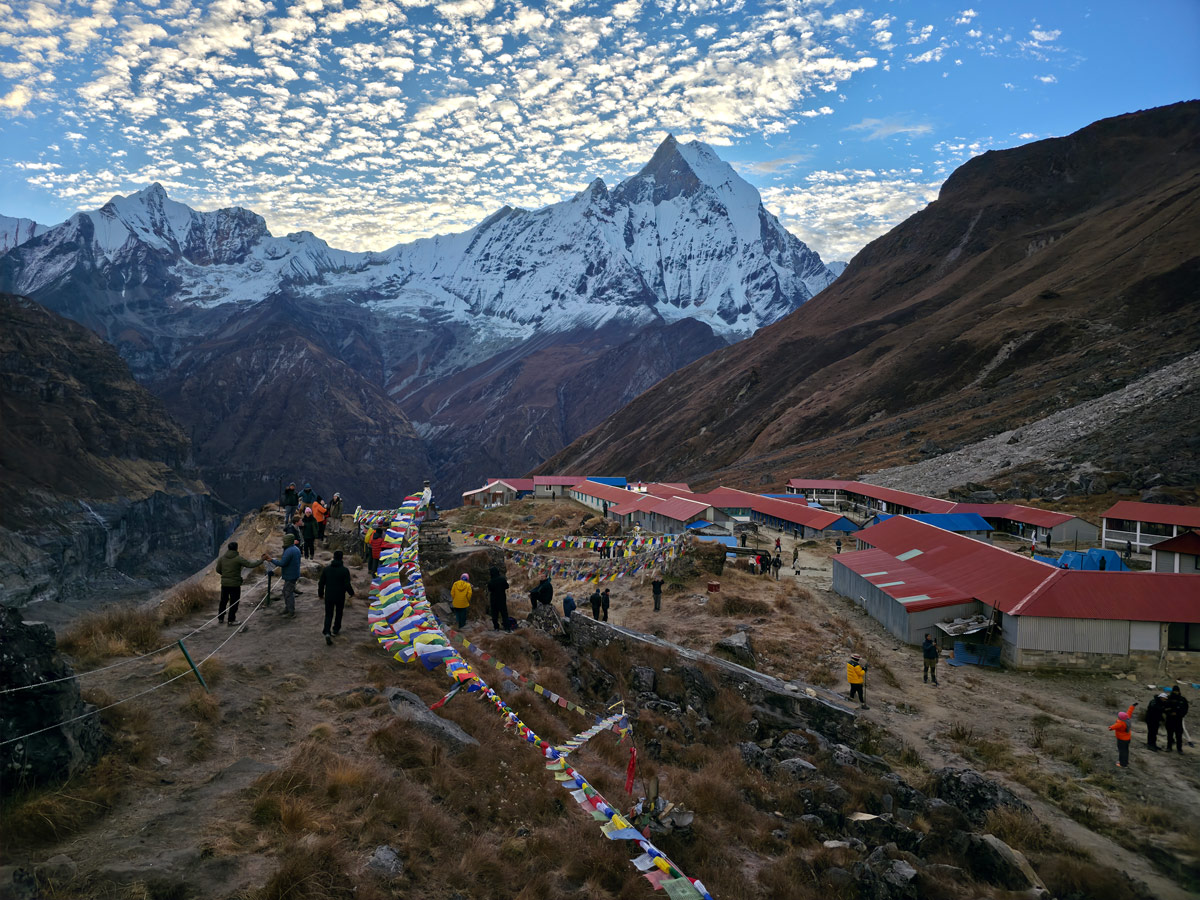
Planning the Annapurna Base Camp trek often starts with one important question. When is the right time to go?
Many trekkers worry about unstable weather, poor mountain views, overcrowded trails, or harsh temperatures. These concerns are valid.
The Annapurna region experiences strong seasonal changes, and the time of year you choose directly affects trail conditions, visibility, comfort, and overall experience.
This guide is written for trekkers who want clear and practical answers. You will learn how each season affects the Annapurna Base Camp trek, what the weather is really like on the trail, and which months suit different trekking styles and expectations.
Instead of general advice, this article explains real conditions on the route from lower villages to base camp.
By the end of this guide, you will understand the best time to trek Annapurna Base Camp based on weather, temperature, crowd levels, and personal preferences.
Whether you want blooming landscapes, quiet trails, clear mountain views, or a winter adventure, this article will help you decide with confidence.
When is the best time to visit Annapurna Base Camp?
The Annapurna Base Camp trek is possible throughout the year, but not every season offers the same experience. The most favorable trekking periods are spring from March to May and autumn from September to November.
These seasons provide stable weather, comfortable temperatures, and clear views of the Annapurna range.
Winter and monsoon treks are also possible but require more preparation and realistic expectations. For a broader seasonal overview across the country, you can explore this guide on the best time for trekking in Nepal.
Snow, rain, and trail conditions can affect safety and enjoyment. Choosing the right season depends on your trekking experience, tolerance for cold or rain, and what you value most during the journey.
Annapurna Base Camp trek in spring (March to May)
Spring is one of the most popular seasons for the Annapurna Base Camp trek because it offers a strong balance between weather stability, comfortable temperatures, and natural beauty.
As winter fades, the trail gradually opens up, snow retreats from higher elevations, and forests burst into color with blooming rhododendrons.
Days are generally clear and mild, making walking conditions pleasant, while nights remain cool but manageable. For many trekkers, spring represents an ideal introduction to high altitude trekking in the Annapurna region.
Weather conditions in spring
Spring weather in the Annapurna region is generally stable, especially in March and April. Days are mostly clear in the mornings, which is ideal for mountain views.
However, trekkers should be aware that snow often remains above Deurali, particularly early in the season. Sections between Deurali, Machhapuchhre Base Camp, and Annapurna Base Camp may still have snow underfoot, especially after recent snowfall.
You can expect:
- Clear skies in the early hours
- Mild daytime temperatures at lower elevations
- Residual snow and icy patches above Deurali, especially in March
- Occasional afternoon haze at lower elevations
Spring temperatures on the Annapurna trail
Temperatures gradually increase from March to May. Lower villages feel warm during the day, while nights remain cool. At higher elevations, temperatures stay cold but manageable.
Average daytime temperatures range from 10°C to 20°C at lower elevations and 5°C to 10°C near base camp.
Why trek Annapurna Base Camp in spring
- Blooming rhododendron forests: Spring brings widespread rhododendron and wildflower blooms, especially between Ghorepani, Chhomrong, and Sinuwa, adding color and variety to the trek.
- Comfortable trekking temperatures: Daytime temperatures are mild at lower and mid elevations, allowing long walking days without extreme heat or cold stress.
- Improving trail conditions: Snow gradually melts at higher elevations, reducing the risk of blocked trails and making the route safer and more accessible.
- Stable weather patterns: Spring generally experiences fewer prolonged storms, lowering the chances of weather-related delays.
- Clear morning mountain views: Mornings often offer clear visibility of Annapurna South, Hiunchuli, and Machhapuchhre before clouds build later in the day.
Cons of trekking to Annapurna Base Camp in spring
Despite its popularity, spring trekking also comes with some limitations that trekkers should consider:
- March and April are peak months, which means busier trails and crowded tea houses, particularly around Chhomrong and Machhapuchhre Base Camp
- Accommodation can fill up quickly during peak weeks, sometimes requiring shared rooms, especially if you are staying in traditional tea houses along the route. You can learn more about what to expect in tea houses while trekking in Nepal.
- Snow can still be present above Deurali, especially early in the season, which may slow progress
- Late spring, especially May, can bring afternoon haze at lower elevations, slightly reducing visibility
- Occasional rainfall can occur, particularly in forested sections between Bamboo and Deurali
Who should trek Annapurna Base Camp in spring
Spring is best suited for trekkers who want a balanced experience with reliable weather and comfortable temperatures.
It is ideal for first time Himalayan trekkers, nature lovers, and those who enjoy colorful landscapes without extreme cold or heat. If this is your first trek in Nepal, this trekking in Nepal for beginners guide may help you prepare better.
Annapurna Base Camp trek in autumn (September to November)
Autumn is considered the most reliable season for trekking in the Annapurna region due to its consistently stable weather, low rainfall, and excellent visibility.
After the monsoon clears dust and haze from the atmosphere, the mountains appear sharp and well defined, which strongly appeals to trekkers focused on scenery and predictability.
Trails are generally dry and safe, temperatures are comfortable for long walking days, and weather related disruptions are less common than in other seasons.
Weather conditions after the monsoon
Post monsoon weather is generally crisp and stable, but it is not entirely risk free. While rainfall drops significantly compared to monsoon months, occasional rain or even early snowfall can still occur, especially toward late November.
Rainfall clears dust and haze from the atmosphere, revealing sharp and well defined mountain views. Trails are usually dry, but short rain showers are still possible, particularly in forested sections between Bamboo and Deurali.
Daytime temperatures remain cool and comfortable, making conditions ideal for long trekking days.
Autumn temperatures along the trail
Autumn temperatures are similar to spring but slightly cooler, especially in November.
Daytime temperatures remain comfortable, while nights can drop below freezing at higher elevations.
Benefits of trekking in autumn
- Exceptionally clear mountain views: Post monsoon air is clean and dust free, offering sharp and consistent views of the Annapurna range throughout the trek.
- Dry and stable trails: Reduced rainfall means safer footing and more predictable walking conditions.
- Ideal trekking temperatures: Cool daytime temperatures support long trekking days without overheating.
- Cultural festival atmosphere: Major festivals such as Dashain and Tihar add cultural richness to village stays.
- High weather reliability: Autumn has the lowest risk of cancellations or major route disruptions due to weather.
Drawbacks of autumn trekking
Autumn also has some challenges that are important to be aware of:
- October is the busiest month, leading to crowded trails and popular tea houses filling quickly
- Accommodation availability can be limited without advance booking, especially at higher elevations
- Costs for guides, porters, and lodging may be slightly higher during peak demand
- Unexpected weather events such as brief rainfall or early season snowfall can occur. Carrying the right clothing is essential, and this packing guide explains what to wear while trekking in Nepal., particularly in late November
- Popular viewpoints and base camp can feel busy during peak days
Who should trek Annapurna Base Camp in autumn
Autumn is ideal for trekkers who prioritize clear mountain views, stable weather, and predictable trail conditions.
It suits photographers, groups, and first time visitors who want the most reliable trekking season in the Annapurna region.
Annapurna Base Camp trek in winter (December to February)
Winter trekking offers a quieter and more rugged experience on the Annapurna Base Camp trail.
With far fewer trekkers on the route, the region feels calm and remote, allowing a deeper connection with the mountains.
Clear winter skies can provide stunning visibility, especially after fresh snowfall. However, cold temperatures, shorter days, and changing snow conditions make winter a challenging but rewarding option for well prepared trekkers.
Winter weather on the Annapurna trail
Winter brings colder temperatures and occasional snowfall. Snow depth varies depending on recent weather.
Expect:
- Clear skies after snowfall
- Very cold mornings and nights
- Possible trail closures after heavy snow
Winter temperatures and conditions
Temperatures can drop below -10°C at base camp. Lower villages remain cold but manageable during the day.
Advantages of winter trekking
- Very few trekkers on the trail: Winter offers rare solitude, with quiet villages and uncrowded paths.
- Crystal clear mountain views: Cold, dry air often results in excellent visibility on clear days.
- Snow covered alpine scenery: Fresh snowfall transforms the landscape into a dramatic high mountain environment.
- Personalized tea house service: Fewer guests allow lodge owners to give more attention to individual trekkers.
Challenges of winter trekking
Winter trekking requires careful preparation due to several challenges:
- Temperatures can drop well below freezing, especially at Machhapuchhre Base Camp and Annapurna Base Camp
- Heavy snowfall can temporarily block sections of the trail, particularly near Deurali
- Limited daylight hours reduce trekking flexibility
- Some tea houses at higher elevations may close during extreme cold periods
Who should consider winter trekking
Winter is best for experienced trekkers who are comfortable with cold temperatures and potential snow on the trail. Some trekkers also prefer winter because it allows trekking with or without a guide depending on conditions and experience level. You can read more about trekking in Nepal without a guide.
It suits those seeking solitude, quiet trails, and dramatic winter mountain scenery rather than maximum comfort.
Annapurna Base Camp trek during monsoon (June to August)
Monsoon season is the least popular time for the Annapurna Base Camp trek, largely due to frequent rainfall and reduced visibility.
However, it transforms the region into one of its most vibrant and green forms, with lush hillsides and powerful rivers and waterfalls.
While conditions can be challenging, monsoon trekking appeals to those who value solitude, dramatic scenery, and a quieter trail experience over clear mountain views.
Monsoon weather patterns
Rainfall is frequent, especially at lower elevations. Clouds often obscure mountain views.
Common conditions include:
- Wet and slippery trails
- Increased leech activity
- Limited visibility
Temperatures during monsoon
Temperatures remain warm, with high humidity at lower elevations and cooler conditions higher up.
Why some trekkers choose monsoon
- Very few trekkers on the trail: The monsoon season offers solitude rarely found during peak months.
- Lush green landscapes: Frequent rain transforms hillsides and valleys into vibrant green scenery, especially at lower elevations.
- Powerful rivers and waterfalls: Waterfalls and streams are at their most dramatic during this season.
- Lower prices and flexible bookings: Accommodation and trekking services are often cheaper and more flexible during monsoon months.
Drawbacks of monsoon trekking
Monsoon season presents several clear challenges:
- Frequent rain makes trails muddy and slippery, increasing physical effort
- Leeches are common in forested areas below Chhomrong
- Cloud cover often blocks mountain views, especially in the afternoons
- Landslides and road delays can affect access to the trailhead
Who should trek during monsoon
Monsoon trekking suits trekkers with flexible schedules who are less focused on mountain views. It is also more suitable for confident trekkers, including solo travelers who are already familiar with Himalayan trekking conditions, such as those interested in solo female trekking in Nepal.
It is a good option for repeat visitors, adventure focused trekkers, and those who enjoy lush landscapes and quiet trails.
Annapurna Base Camp trek seasonal weather overview
| Season | Months | Weather Summary |
| Spring | Mar–May | Mild temperatures, blooming forests, good visibility |
| Summer / Monsoon | Jun–Aug | Warm, wet, cloudy, lush landscapes |
| Autumn | Sep–Nov | Dry, clear skies, stable conditions |
| Winter | Dec–Feb | Cold, possible snow, very clear days |
Temperature overview from Jhinu to Annapurna Base Camp
Spring temperatures
| Location | Min °C / °F | Max °C / °F |
| Jhinu | 8°C / 46°F | 22°C / 72°F |
| Chhomrong | 6°C / 43°F | 18°C / 64°F |
| Sinuwa | 5°C / 41°F | 16°C / 61°F |
| Bamboo | 4°C / 39°F | 15°C / 59°F |
| Deurali | 0°C / 32°F | 10°C / 50°F |
| Machhapuchhre Base Camp | -2°C / 28°F | 8°C / 46°F |
| Annapurna Base Camp | -4°C / 25°F | 7°C / 45°F |
Summer / monsoon temperatures
| Location | Min °C / °F | Max °C / °F |
| Jhinu | 12°C / 54°F | 26°C / 79°F |
| Chhomrong | 10°C / 50°F | 22°C / 72°F |
| Sinuwa | 9°C / 48°F | 20°C / 68°F |
| Bamboo | 8°C / 46°F | 19°C / 66°F |
| Deurali | 4°C / 39°F | 14°C / 57°F |
| Machhapuchhre Base Camp | 2°C / 36°F | 12°C / 54°F |
| Annapurna Base Camp | 1°C / 34°F | 11°C / 52°F |
Autumn temperatures
| Location | Min °C / °F | Max °C / °F |
| Jhinu | 7°C / 45°F | 20°C / 68°F |
| Chhomrong | 5°C / 41°F | 17°C / 63°F |
| Sinuwa | 4°C / 39°F | 15°C / 59°F |
| Bamboo | 3°C / 37°F | 14°C / 57°F |
| Deurali | -1°C / 30°F | 9°C / 48°F |
| Machhapuchhre Base Camp | -3°C / 27°F | 7°C / 45°F |
| Annapurna Base Camp | -5°C / 23°F | 6°C / 43°F |
Winter temperatures
| Location | Min °C / °F | Max °C / °F |
| Jhinu | 2°C / 36°F | 14°C / 57°F |
| Chhomrong | 0°C / 32°F | 12°C / 54°F |
| Sinuwa | -1°C / 30°F | 10°C / 50°F |
| Bamboo | -2°C / 28°F | 9°C / 48°F |
| Deurali | -8°C / 18°F | 5°C / 41°F |
| Machhapuchhre Base Camp | -10°C / 14°F | 3°C / 37°F |
| Annapurna Base Camp | -12°C / 10°F | 2°C / 36°F |
Annapurna Base Camp trek preference guide
| Preference | Best Seasons / Months | Why It’s the Best Choice |
| Clear mountain views | Oct, Nov | Stable weather and clean air |
| Flower blooms | Mar, Apr | Rhododendron forests in bloom |
| Fewer crowds | Jan, Feb | Low trekking traffic |
| Warmest conditions | Jun, Jul | Higher temperatures |
| Balanced experience | Apr, Oct | Good weather and scenery |
Practical tips for choosing the right time
- Prioritize mountain visibility if photography is a key goal, as autumn and early spring offer the clearest views.
- Consider crowd levels when planning, since October and April are the busiest months on the Annapurna Base Camp trail.
- Match the season to your cold tolerance, as winter temperatures can drop well below freezing at higher elevations.
- Account for trail conditions, especially during monsoon when rain can make paths muddy and slippery.
- Plan around festivals if cultural experiences matter, with autumn offering major celebrations like Dashain and Tihar.
- Allow extra buffer days in winter and monsoon to manage possible weather delays or blocked trails.
- Think about accommodation availability, as tea houses can fill quickly during peak spring and autumn weeks.
- Prepare appropriate gear for the season, such as heavier insulation in winter or rain protection during monsoon. Understanding permit requirements in advance is equally important, and this guide explains trekking permits in Nepal in detail.
- Assess your trekking experience honestly, since winter and monsoon demand more flexibility and self-reliance.
- Balance cost and comfort, as off-season months often offer lower prices but more challenging conditions.
- Consider daylight hours, with shorter days in winter limiting daily trekking distances.
- Factor in health and acclimatization needs, as stable weather makes altitude adjustment easier in spring and autumn.
Conclusion
The Annapurna Base Camp trek offers something unique in every season. Spring and autumn provide the most reliable conditions, while winter and monsoon cater to specific trekking styles. The right time depends on your expectations, comfort level, and priorities.
With proper planning and realistic expectations, this trek can be rewarding at any time of year. Choose the season that aligns with your goals, prepare well, and enjoy one of Nepal’s most iconic trekking journeys.
Frequently asked questions
Is Annapurna Base Camp open year round?
Yes, the trail remains open throughout the year, but conditions vary by season.
Which month has the best visibility?
October generally offers the clearest and most consistent views.
Is winter trekking safe for beginners?
Winter is better suited for experienced trekkers due to cold and snow.
How crowded does the trek get in peak season?
October and April can be busy, especially near popular villages.
Can I trek during monsoon without a guide?
It is possible, but a guide is recommended due to trail conditions and weather uncertainties.