
Nepal Welcomes 132,814 International Visitors in October 2026 Despite Recent Flood Disasters

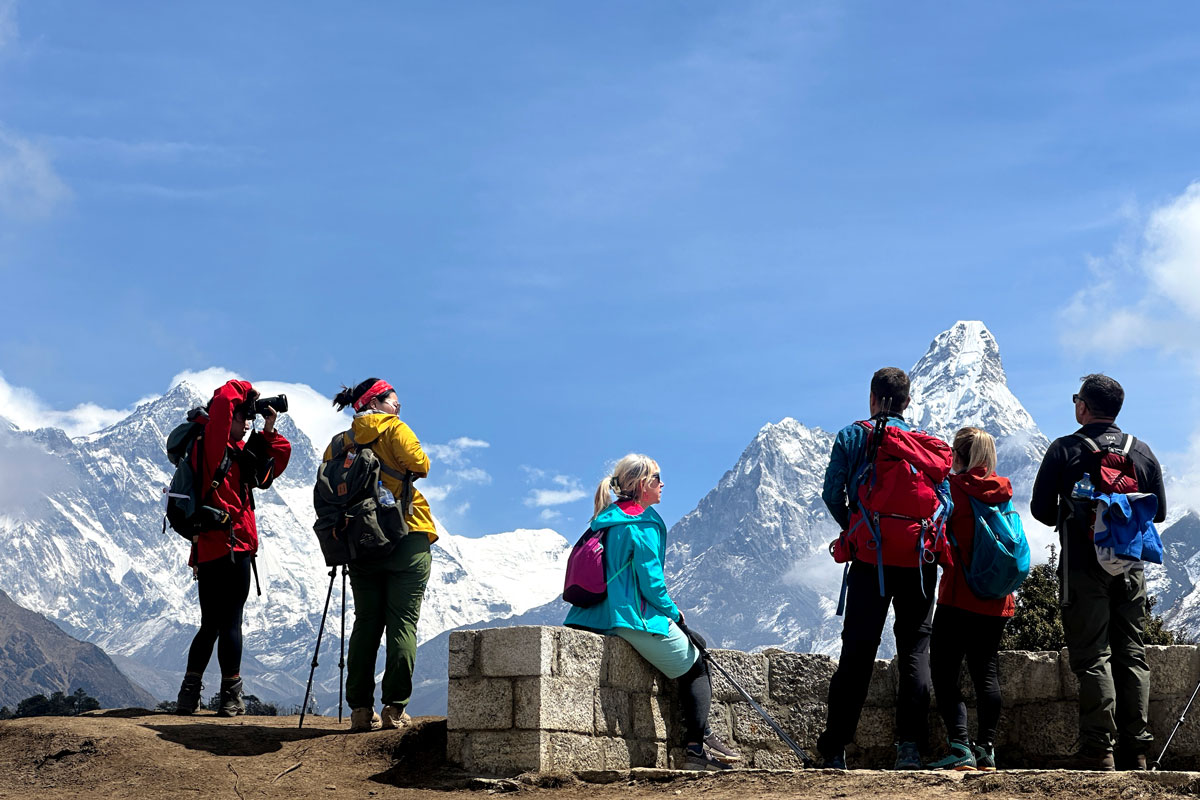
Nepal Welcomes 132,814 International Visitors in October 2026 Despite Recent Flood Disasters
Nepal recorded 132,814 international visitor arrivals in October 2026, according to the Nepal Tourism Board (NTB), demonstrating continued interest in the country’s tourism destinations despite the devastating floods that have recently affected parts of the Himalayas.
The latest figures, released by the Nepal Tourism Board based on preliminary data from the Department of Immigration, highlight Nepal’s continued appeal as a destination for trekking, mountaineering, cultural experiences, and adventure tourism.
October is traditionally one of Nepal’s busiest tourism months, particularly for trekking in the Everest, Annapurna, and Manaslu regions. The post-monsoon season offers favorable conditions for mountain views, outdoor adventures, and high-altitude expeditions.
United States Leads International Visitor Arrivals
The United States was Nepal’s largest source market in October 2026, contributing 17,437 visitors. India followed with 12,097 arrivals, while China ranked third with 11,695 visitors.
The United Kingdom recorded 9,385 arrivals, closely followed by Australia with 9,352 visitors. Germany, Sri Lanka, Bangladesh, France, and Myanmar also featured among Nepal’s top 10 source markets.
The regional distribution of international arrivals further highlights Nepal’s diverse tourism markets:
- Europe: 39,877 visitors (30.0%)
- Asia (Other): 27,040 visitors (20.4%)
- South Asia (SAARC): 24,053 visitors (18.1%)
- Americas: 21,270 visitors (16.0%)
- Oceania: 10,143 visitors (7.6%)
- Other regions: 7,675 visitors (5.8%)
- Middle East: 2,335 visitors (1.8%)
- Africa: 421 visitors (0.3%)
The figures indicate that Nepal continues to attract visitors from a broad range of international markets, with Europe, Asia, South Asia, and the Americas accounting for the majority of arrivals.
Recent Flood Disasters Affect Nepal’s Tourism Sector
Despite the encouraging arrival figures, Nepal’s tourism industry has faced significant challenges following a series of devastating floods and landslides.
The August 26, 2026, Bhotekoshi-Trishuli flood, which severely affected Rasuwa and surrounding areas, caused extensive damage to infrastructure, roads, bridges, settlements, and tourism-related businesses. The disaster also disrupted transportation connectivity and affected travel plans in parts of northern Nepal.
The situation was further complicated by the flash flood along the Budhi Gandaki River on October 11, 2026. The flood, which may have been triggered by the failure of a temporary landslide-created river blockage near Chumchet in Gorkha district, swept away houses and bridges and damaged riverside infrastructure.
According to the International Centre for Integrated Mountain Development (ICIMOD), the Budhi Gandaki disaster highlights the growing vulnerability of Himalayan communities, transport networks, and infrastructure to sudden-onset natural hazards.
These disasters have raised concerns about the safety of mountain communities, the resilience of tourism infrastructure, and the need for improved disaster preparedness in Nepal’s Himalayan regions.
Tourism’s Contribution to Nepal’s Economy
Tourism remains one of the most important contributors to Nepal’s economy, generating foreign exchange earnings, supporting employment, and creating economic opportunities across the country.
The sector supports a wide network of businesses and workers, including hotels, airlines, restaurants, trekking agencies, tour operators, mountain guides, porters, transportation providers, and local communities.
According to reporting by The Kathmandu Post, tourism contributes approximately 6.7 percent to Nepal’s GDP through its direct and indirect economic activities and supports more than one million jobs.
The impact of tourism extends far beyond major cities. In remote Himalayan communities, tourism provides essential income through accommodation, food services, guiding, porter services, and the operation of local businesses.
The recent floods have therefore created challenges not only for tourism entrepreneurs but also for thousands of workers and families who depend on visitors for their livelihoods.
Read more about the economic impact of tourism and the recent flood disruptions in Nepal.
Trekking and Mountaineering Continue to Drive Nepal’s Tourism Industry
Trekking and mountaineering remain among Nepal’s most recognized tourism activities, attracting adventure travelers from around the world.
The country’s Himalayan landscape offers a wide range of trekking experiences, from accessible scenic hikes to challenging high-altitude adventures.
Popular trekking destinations include:
- Everest Base Camp Trek
- Annapurna Base Camp Trek
- Annapurna Circuit Trek
- Manaslu Circuit Trek
- Langtang Valley Trek
- Mardi Himal Trek
- Ghorepani Poon Hill Trek
- Upper Mustang Trek
Nepal also remains a leading destination for mountaineering and Himalayan expeditions, with Mount Everest and other iconic peaks attracting climbers seeking high-altitude challenges.
According to the Government of Nepal’s Nepal Tourism Statistics 2025, 165,056 international visitors participated in trekking activities in 2025. The same report recorded 334 permitted expedition teams, reflecting continued interest in Nepal’s mountaineering opportunities.
Trekking and mountaineering contribute significantly to the livelihoods of mountain guides, porters, local accommodation providers, and communities along trekking routes. These activities also promote Nepal’s natural landscapes, cultural heritage, and traditional Himalayan lifestyles to international visitors.
Nepal Remains a Destination for Adventure and Cultural Tourism
Although the recent floods have affected specific areas and transportation corridors, the disasters should not be interpreted as a disruption across the entire country.
Nepal’s tourism destinations are geographically diverse, and conditions vary by region and route. Travelers are encouraged to consult updated travel information, local authorities, and trekking operators before visiting affected areas.
The continued arrival of international visitors in October 2026 reflects the importance of maintaining accurate travel information and strengthening confidence in Nepal as a tourism destination.
As the country moves forward with recovery and reconstruction, investment in resilient infrastructure, improved early-warning systems, responsible tourism practices, and effective communication will be essential.
With its extraordinary Himalayan landscapes, rich cultural heritage, and world-renowned trekking and mountaineering opportunities, Nepal continues to offer memorable experiences for travelers from around the world.
The recovery of affected communities and the sustainable development of tourism will remain vital to ensuring that Nepal’s tourism industry continues to contribute to the national economy and the livelihoods of people across the country.